





Buying affordable glasses isn’t difficult. Buying affordable glasses you’ll still be happy wearing a year later — that takes a little more thought.
Price catches people’s attention first. It always does. But after scrolling through dozens of nearly identical frames, another question usually appears.
“Why does one pair cost $18 while another costs $180?” The answer isn’t always better materials or better lenses.
Sometimes it’s branding. Sometimes it’s retail overhead. Sometimes it’s simply the way a company chooses to sell its products.
That’s why the cheapest option isn’t automatically the smartest purchase. A slightly larger frame selection, clearer prescription options, better customer support, or an easier return policy can make a noticeable difference long after the order arrives.
The brands below have built strong reputations by keeping prices accessible without reducing everything to a bargain-bin experience. Each takes a different approach, giving shoppers several worthwhile alternatives when budget matters but quality still has to earn its place.
Spending Less Doesn’t Mean Settling
People sometimes confuse “budget” with “basic.” They’re different ideas.
Budget-conscious shoppers aren’t necessarily looking for the absolute lowest price. Most simply want to know they’re paying for the product instead of everything surrounding it.
That’s one reason comparisons for the cheapest online prescription glasses continue to grow. Consumers have become much more comfortable questioning prices that once seemed normal.
1. Blacksheep
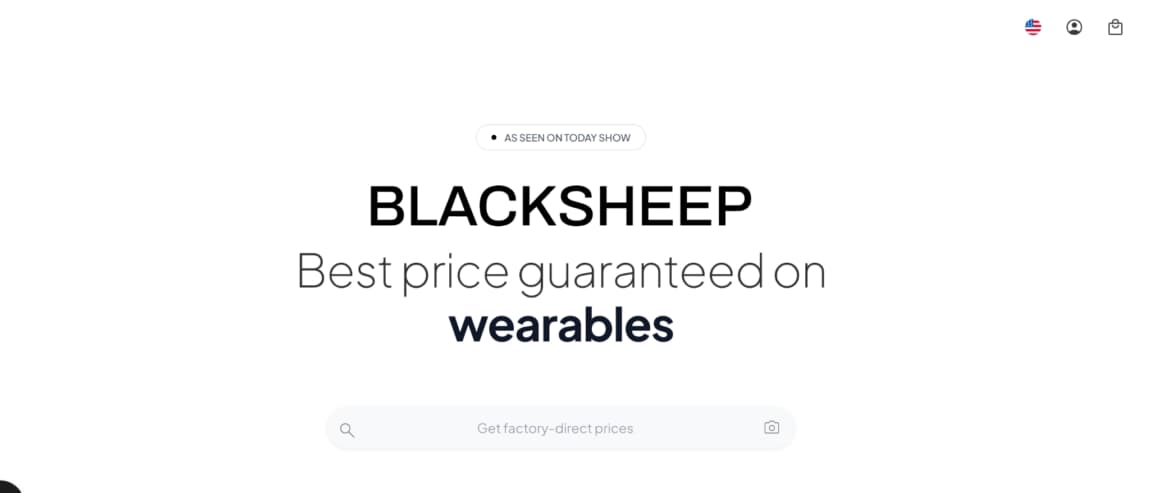
Blacksheep factory-direct eyewear has built its reputation around one straightforward promise: everyday prescription glasses shouldn’t feel like a luxury purchase.
By selling directly through its own platform instead of relying on the traditional retail chain, the company keeps pricing remarkably low. Frames start at just $2.95, yet the catalog stretches across more than 20,000 styles, ranging from understated classics to fashion-driven collections, prescription sunglasses, and products beyond eyewear.
The company has also begun expanding into hearing technology and wearable devices, reflecting ambitions that extend well beyond prescription frames.
Highlights include:
- Frames starting at $2.95
- More than 20,000 eyewear styles
- Direct-to-consumer pricing
- Prescription and non-prescription options
- Expansion into smart technology and hearing products
Good value isn’t about finding the cheapest frame on the internet. It’s about paying a fair price while still having enough choice to find something you’ll actually enjoy wearing.
2. Zenni Optical
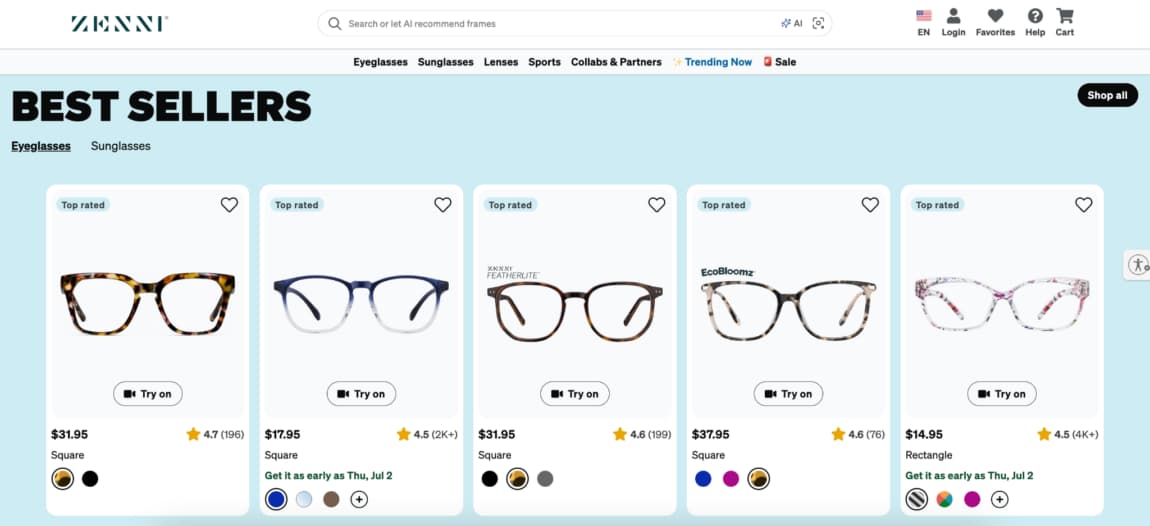
Some companies impress with marketing. Zenni impresses with scale.
Its catalog is enormous, covering thousands of prescription frames in nearly every shape, material, and color imaginable. Progressive lenses, children’s eyewear, sports glasses, and sunglasses all sit under the same roof, making it easy for shoppers to compare different options before making a decision.
Highlights include:
- Extensive frame catalog
- Progressive lenses
- Prescription sunglasses
- Children’s eyewear
- Virtual try-on
For buyers who like exploring every possibility before clicking “Add to Cart,” Zenni remains one of the largest online destinations in the industry.
3. EyeBuyDirect
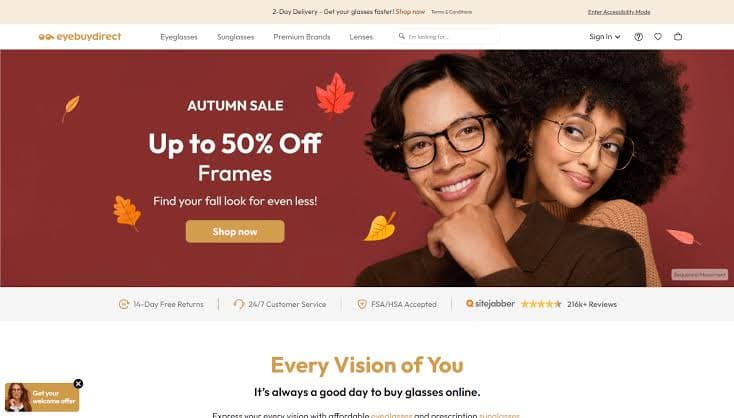
Some people replace their glasses only when they have to. Others replace them because they’ve simply grown tired of looking at the same frames every day.
EyeBuyDirect speaks to the second group. Its catalog changes regularly, introducing fresh collections alongside classic designs, so browsing never feels repetitive. Prescription lenses remain available across a broad selection, making style and practicality easy to combine.
Highlights include:
- Modern frame collections
- Prescription sunglasses
- Blue-light lenses
- Virtual try-on
- Frequent promotions
The company appeals to shoppers who enjoy having options instead of settling for the first frame that works.
4. Warby Parker
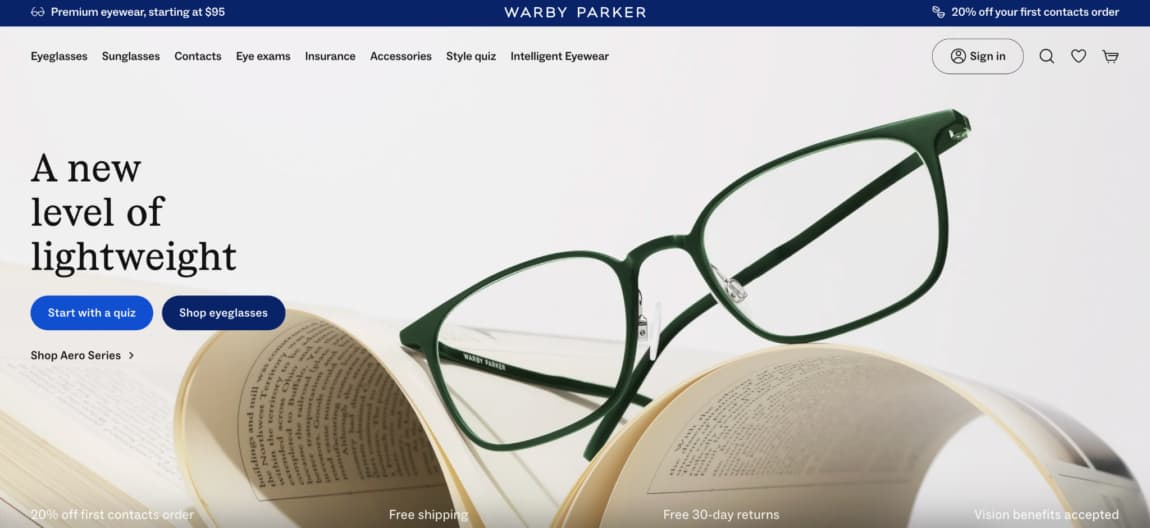
Choice isn’t always about having thousands of frames. Sometimes it’s about feeling confident in the decision you make.
Warby Parker built much of its reputation around that idea. The Home Try-On program lets customers spend time with several frames before committing, something that often says more than five minutes in front of a store mirror ever could.
Highlights include:
- Home Try-On
- Eye exams
- Retail locations
- Prescription sunglasses
- Curated frame collections
The experience feels carefully designed for buyers who appreciate a little more guidance throughout the process.
A Budget Has Room For Priorities
Everyone defines “good value” differently. For one shopper, it’s finding the lowest possible price.
Someone else is happy spending a little more if the frames are lighter, the catalog is larger, or the ordering process feels easier. Neither approach is wrong. It simply depends on what matters most after the glasses arrive.
Don’t Judge A Brand By One Number
It’s tempting to compare only the starting price. That rarely tells the whole story. Before placing an order, it’s worth checking:
- How many frame styles are actually available?
- Which lens upgrades are offered?
- Is it easy to reorder using the same prescription?
- What happens if the fit isn’t right?
- Does the company make it simple to contact support?
Those details usually have a much bigger impact on the overall experience than saving another five or ten dollars.
Finding The Right Fit
It’s easy to get distracted by the lowest number on the page. Sometimes that’s exactly the right decision. Sometimes it’s the pair you’ll regret ordering a week later.
A frame you genuinely like, lenses that suit your prescription, and a buying process that doesn’t become frustrating halfway through usually matter far more than saving another ten dollars. The difference isn’t always obvious until you’re wearing the glasses every day.
Each of the four brands above focuses on something slightly different. One puts enormous effort into selection. Another leans toward design. One keeps prices exceptionally low, while another invests more in the overall shopping experience.
That’s what makes comparing them worthwhile. You’re not just choosing a pair of glasses — you’re choosing the buying experience that fits you best. Once that part feels right, the rest tends to fall into place.




More Stories
4 Leading GEO Platforms for Building AI Citations and Trusted Sources
Which QR Code Generator Fits Your Marketing Strategy? 7 Tools Compared
7 AI Therapy Apps Trusted by an Expert