





A lot of online retailers know this issue too well — 71% report that post-purchase worry creates extra support work. But many tracking solutions haven’t caught up. They still act like basic utilities instead of using that customer touchpoint more effectively.
Today’s stronger platforms change the game. They combine solid shipment visibility with marketing features that suggest related products, strengthen loyalty, and calm concerns before they turn into tickets.
To help sort through the options, we assessed them on five dimensions: integration breadth and real-time performance, post-purchase capabilities, how easy they are to implement, support and onboarding experience, plus pricing and scalability. We looked at seven platforms in total.
Top Multi-Carrier Tracking Software
The platforms below represent different philosophies: some emphasize turnkey engagement tools, and a few focus purely on exception management. Your ideal choice depends on whether you’re optimizing for cost reduction, revenue generation, or technical flexibility.
WISMOlabs
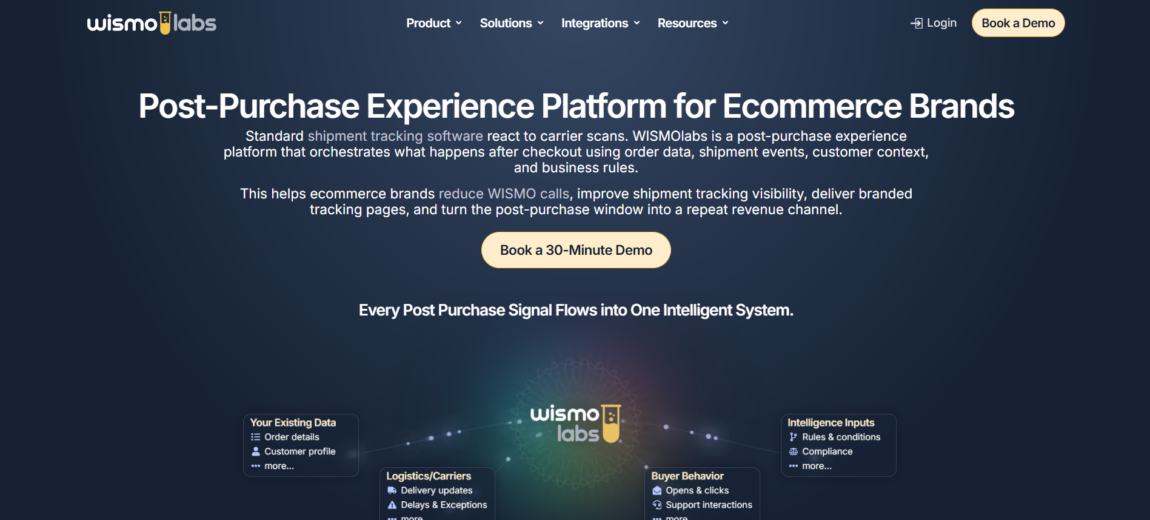
WISMOlabs is a post-purchase experience platform that functions as a contextual customer communication layer between checkout, shipment, delivery, and any follow-up actions. Unlike basic tracking pages, returns tools, or generic post-purchase platforms, it combines logistics data, order information, and customer context to help brands manage the stages of the journey where customers have the most questions.
The platform combines multi-carrier shipment tracking, branded tracking pages, proactive notifications, and exception handling to keep customers informed throughout the delivery process. By bringing together real-time carrier data, logistics events, order details, customer history, shipment data, and optional third-party data, WISMOlabs helps retailers reduce “Where Is My Order?” (WISMO) inquiries while maintaining greater control over the delivery journey.
Supporting more than 750 carriers and integrating with Shopify, BigCommerce, WooCommerce, Magento, and Salesforce Commerce Cloud, WISMOlabs goes beyond shipment visibility. It normalizes tracking events across carriers and uses that context to deliver the right customer communication at the right moment.
Everything remains fully branded, allowing merchants to replace generic carrier experiences with communications that reinforce their brand. Features such as segmentation-based messaging, customer engagement analytics, review request gating, and exception management help brands keep customers informed, reduce support workload, and improve the overall post-purchase experience.
| Attribute | Value |
| Best For | E-commerce brands improving post-purchase experience |
| Integration Style | E-commerce platform integrations, email, SMS, and webhooks |
| Carrier Scope | 750+ supported carriers |
| Pricing Model | Custom pricing available upon request |
One-line strength: Using the entire context, including customer, order, shipment data, and third-party data WISMOlabs can deliver post-purchase experiences that reduce WISMO support tickets, protect brand reputation, and build context-driven loyalty.
Why Choose This Platform?
Choose WISMOlabs when you want more control over post-purchase communication than standard carrier tracking pages or basic notification tools provide.
The platform is particularly useful for brands looking to reduce WISMO tickets, improve delivery visibility, replace generic tracking pages with branded experiences, and communicate proactively about shipment delays, exceptions, and delivery milestones.
With support for 750+ carriers, major ecommerce integrations, and 5.0 ratings across Capterra, GetApp, and SourceForge, WISMOlabs is well-suited for retailers that want to improve shipment visibility, customer communication, and brand reputation throughout the post-purchase journey.
AfterShip

AfterShip is built for operations teams handling complex international shipping. They don’t publish pricing openly — you’ll need a custom quote based on your shipment volume. Still, its support for over 1,000 carriers worldwide makes it a strong choice for merchants shipping to many different countries.
Being an established player also means you get reliable integrations and stable APIs that newer tools often struggle to match. The platform provides solid real-time tracking and sends updates through email, SMS, and webhooks.
That said, AfterShip feels a bit dated on the customer experience side. It’s excellent at showing where a package is, but it doesn’t turn tracking pages into opportunities for loyalty building or upsells as parcelLab does. Brands looking to generate revenue from the delivery phase may find that limiting.
| Attribute | Value |
| Carriers Supported | 1000+ global carriers |
| Best For | High-volume international shippers |
| Notification Channels | Email, SMS, webhook |
| Market Position | Established platform since the early 2010s |
One-line weakness: Lacks native upsell, loyalty rewards, or customer engagement tools that turn tracking into a revenue driver.
Why Choose This Platform?
AfterShip makes sense when carrier breadth trumps everything else. If you’re shipping via regional carriers in Southeast Asia, Eastern Europe, or Latin America alongside the big names, AfterShip’s thousand-plus integrations eliminate the need to cobble together multiple tracking APIs.
The platform’s longevity means fewer integration surprises and a mature developer ecosystem with extensive documentation. It’s the safe choice for operations teams prioritizing reliability and global coverage over cutting-edge post-purchase marketing features.
WeSupply Labs
LateShipment is built to catch shipping delays before they become problems. It tracks across many carriers in real time and triggers helpful customer messages automatically. Merchants avoid the usual flood of support tickets and keep trust intact. Plus, the analytics on carrier performance give teams better negotiating power.
A late delivery can open the door for competitors, so the timely alerts let brands offer discounts or loyalty rewards while customers are still engaged.
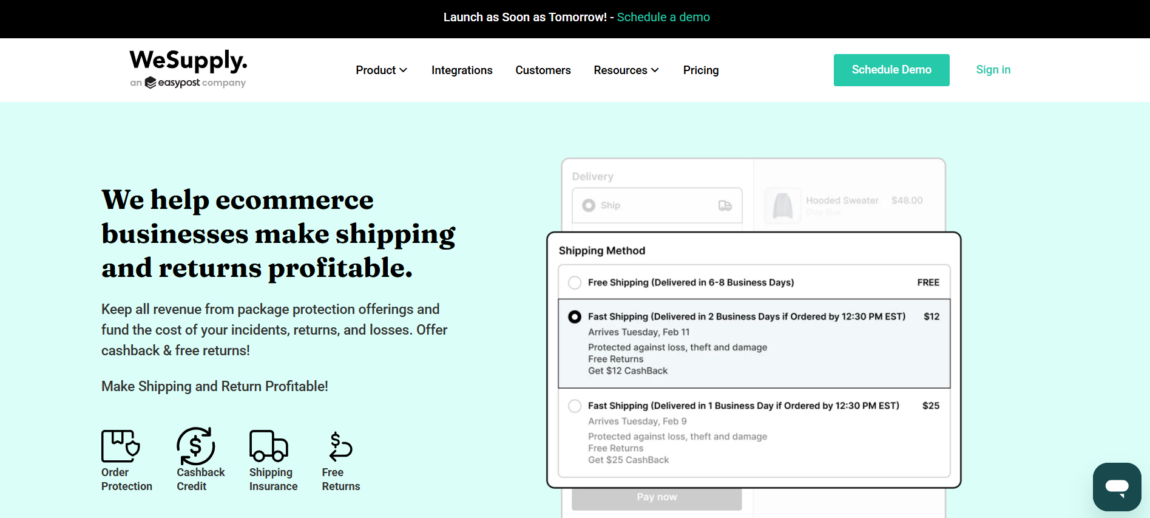
WeSupply Labs approaches this differently. They treat tracking as one piece of a broader customer experience. Shoppers get a clean portal for checking orders, handling returns, and seeing relevant product suggestions. It’s particularly useful for mid-sized retailers in fashion or home goods who want to reduce support workload while improving loyalty.
| Attribute | Value |
| Best For | Mid-market retailers with high return rates |
| Core Strength | Self-service portal reducing support tickets |
| Pricing Model | Quote-based (volume tiers) |
| Notable Feature | Returns-to-loyalty conversion workflows |
One-line weakness: Public pricing tiers aren’t published—requires sales demo to scope costs, which slows evaluation for lean teams comparing multiple vendors.
Why Choose This Platform?
Choose WeSupply Labs when returns management is as critical as outbound tracking. Brands shipping 500+ orders daily with 15%+ return rates see immediate ROI from automated exchange flows and branded tracking pages that convert “Where’s my order?” anxiety into upsell moments.
The post-purchase portal becomes a retention channel, not just a cost center.
parcelLab
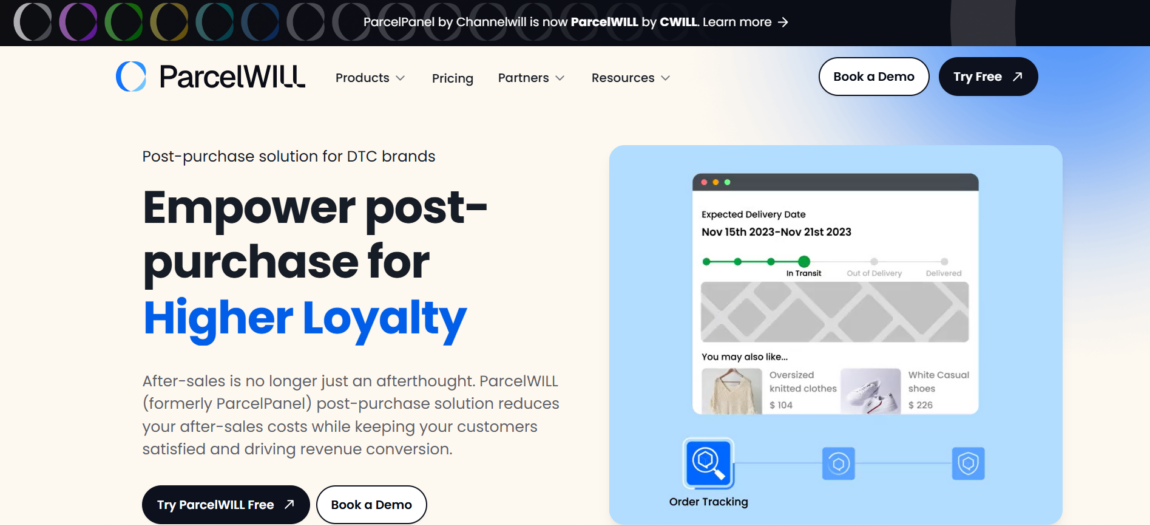
parcelLab follows the same idea as WeSupply — turning tracking into a marketing tool — but leans more toward larger enterprises. It transforms basic shipment updates into a complete post-purchase platform.
Built on strong enterprise tech, it targets retailers who want to make the most of the delivery window. Real-time tracking data flows into branded pages that also show personalized recommendations and loyalty offers.
The dual setup (tracking + marketing automation) lets teams trigger upsells at key moments, segment customers, and test messages. This reduces “Where is my order?” tickets while increasing repeat purchases and lifetime value.
| Attribute | Detail |
| Best For | Enterprise retailers prioritizing post-purchase revenue |
| Core Strength | Marketing automation layered on tracking infrastructure |
| Integration Scope | Global carrier network with branded experience overlay |
| Deployment Model | White-label tracking pages with embedded commerce tools |
One-line weakness: Enterprise-focused positioning and opaque pricing create barriers for growing mid-market brands testing post-purchase engagement strategies.
Why Choose This Platform?
parcelLab fits brands that view post-purchase as underutilized marketing real estate. Instead of treating tracking as a cost center, it reframes it as a revenue driver—capturing engaged customers and turning delivery anxiety into shopping momentum through contextual recommendations tied to shipment events.
Integration complexity isn’t publicly documented, which may slow implementation for less technical teams. But retailers with proper infrastructure will see higher repeat purchase rates and lower support costs.
Late Shipment
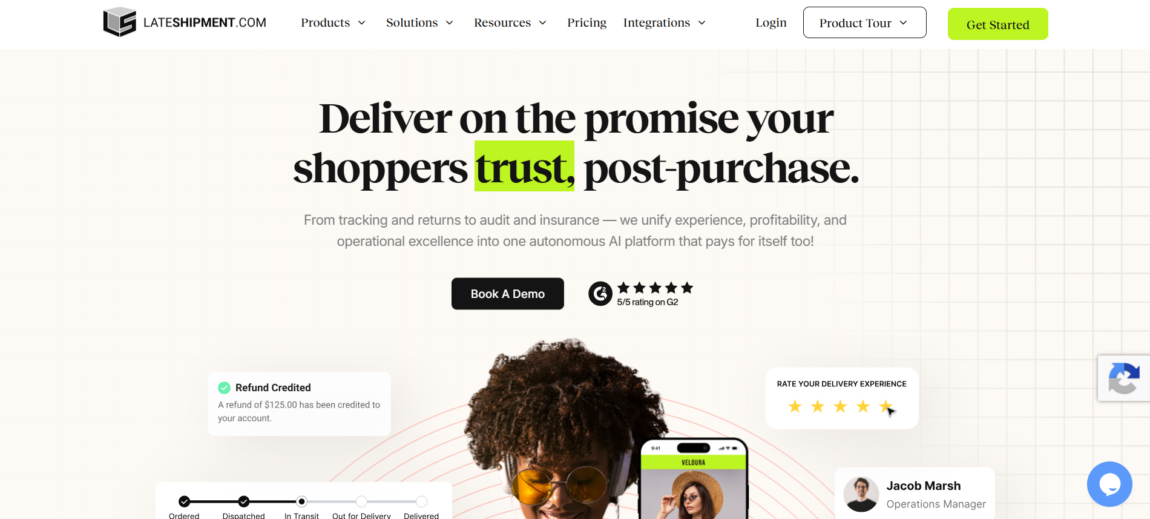
LateShipment takes tracking beyond passive updates and turns it into active problem prevention. It follows shipments across carriers in real time, spots delays quickly, and automatically notifies customers to avoid support ticket spikes.
The platform’s predictive logic looks at historical patterns to identify risks well before delivery fails — often 24 to 48 hours early. This breathing room lets teams offer fixes, expedited options, or honest updates. Messages adapt to the situation: light and reassuring for minor slips, or more direct with resolution paths for bigger issues. Overall, it helps protect both your margins and customer relationships.
| Attribute | Value |
| Best For | High-volume stores drowning in WISMO tickets |
| Core Strength | Predictive delay detection + auto-response |
| Integration | Multi-carrier API with Shopify/WooCommerce plugins |
| ROI Driver | 40-60% reduction in shipment-related support volume |
One-line weakness: Lacks the upsell and loyalty features competitors like Route and parcelLab layer onto tracking data—it’s purely defensive (cost reduction) rather than offensive (revenue generation).
Why Choose This Platform?
If your support team spends more time answering “Where’s my package?” than solving real problems, Late Shipment pays for itself in saved labor hours within the first billing cycle.
The platform excels at the unglamorous but critical work of exception management—catching the 8-12% of shipments that go sideways and automating the communication cadence that prevents one delayed order from becoming a lost customer.
It won’t drive incremental revenue through post-purchase upsells, but it will reclaim hundreds of support hours per month that you can redirect toward growth initiatives instead of shipment detective work.
Conclusion
Finding the right tracking software isn’t one-size-fits-all. It really depends on where your operations hurt most. If your team likes building things themselves, you’ll want strong API options and developer tools. For complex global shipping, carrier variety and international support matter more.
Other solutions emphasize the customer side, using tracking moments for product recommendations and loyalty building. And some just focus on catching delays fast to keep support queues shorter.
Start by looking at your own numbers — support tickets, return rates, and customer comments. Once you know whether you need to cut costs, drive more sales, or get better flexibility, it becomes easier to pick a platform and test it out.




More Stories
4 Leading GEO Platforms for Building AI Citations and Trusted Sources
Which QR Code Generator Fits Your Marketing Strategy? 7 Tools Compared
7 AI Therapy Apps Trusted by an Expert